

When people begin looking for help with their mental health, one of the first questions they often ask is:
“Which professional should I see?”
But, it can be confusing. In your search you may encounter several different titles, including Psychiatrist, Clinical Psychologist, Psychotherapist, Counsellor, and Hypnotherapist.

All of these professionals can support mental health in different ways. Understanding the differences can help you choose the type of support that best suits your needs.
What do These Mental Health Professionals Have in Common?
The overarching goal that all these professionals have is to help people to improve their psychological wellbeing.
Commonalities can include:
- Accepting and transforming challenging emotions
- Recovering from difficulties with mental health
- Developing skills for coping
- Improving relationships
- Finding purpose, meaning and personal growth
The key differences between Psychiatrists, Clinical Psychologists, Psychotherapists,Counsellors, and Hypnotherapists are in treatment methods, training and inclusion (or not) of diagnoses and medication.
Deeper guidance can be found from the UK’s National Institute for Health and Care Excellence and National Health Service.
What are the Differences?
Psychiatrist

A psychiatrist is a medical doctor, but for the mind, rather than the body, and as such they can prescribe medication. They generally work with ‘mental illnesses’ and ‘mental disorders’, conditions, that are persistent and extreme enough to impair normal functioning such as:
- Schizophrenia
- Bipolar disorder
- Severe depression
They don’t only, or always treat with medication, they sometimes use psychotherapy.
Clinical Psychologist
Clinical Psychologists are also doctors, but they are academic, not medical doctors – confusing isn’t it! They don’t prescribe medication.
The role of Clinical Psychologists’ can include:
- Administer psychological assessments and give diagnoses, similarly to Psychiatrists
- Treat a broad range of issues
- Crisis intervention
- Technical interventions, such as bio-feedback
- Psychotherapy
Psychotherapist
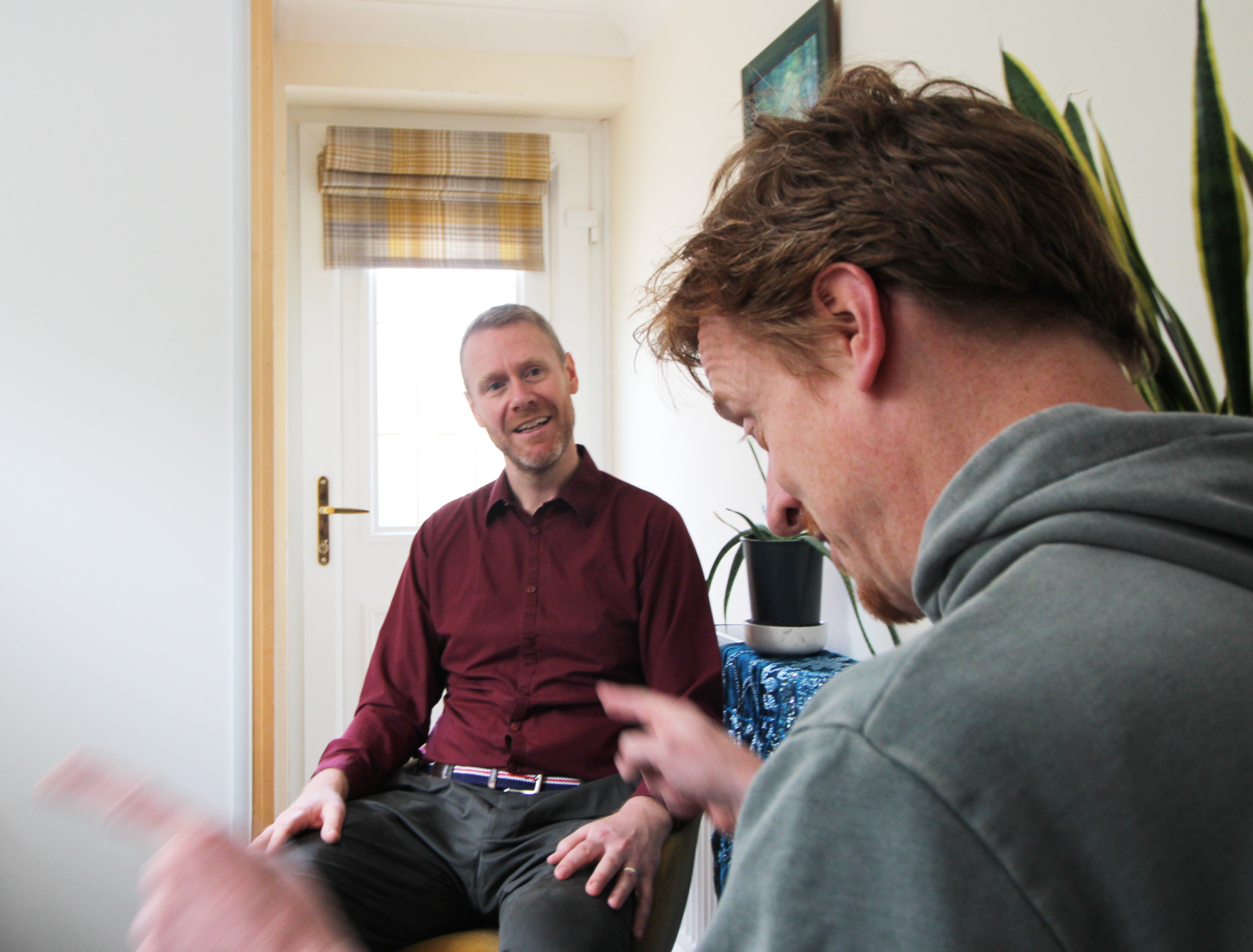
Psychotherapists often work with deep processes, exploring patterns of thought, emotion and relationality.
These processes can include:
- Identity and personal reinvention
- Persistent emotional patterns
- Trauma and other formative experiences
- Meaning and purpose
Psychotherapists are trained in depth, but they are not doctors, academic or medical, so do not diagnose, or prescribe medication.
Counsellor
You can talk to a Counsellor in a similar way to how you would with a Psychotherapist. Their training is not as in-depth, or broad and they tend to help with shorter-term issues.
Such issues can include:
- Stress
- Grief and loss
- Emotional support
- Relationship challenges
- Life transitions
Counsellors are not doctors and do not diagnose, or prescribe medication.
Hypnotherapist

A Hypnotherapist, using hypnosis as a treatment tool, typically works with less profound, shorter-term treatment durations. However, hypnosis is a tool, along with other approaches, that is used by Psychotherapists, Clinical Psychologists and Psychiatrists as a part of longer-term treatments.
Hypnosis induces a state of focussed attention and relaxation, where it can be easier to explore and alter emotional patterns, thoughts and habits.
Hypnotherapy is well known for working with:
- Stress
- Anxiety
- Habit change (weight control, smoking/vaping and other addictions)
- Phobias
Diagnosis vs. Self-Discovery
If you get a diagnosis and treatment plan from a clinical psychologist, or a psychiatrist you can expect it to be formal, standardised, backed by research and, in the case of a psychiatrist, it may include medication. You can expect the treatment offered by a therapist, or counsellor to also be backed by research, but without diagnosis. You can expect it to be more conversational, perhaps feeling informal, yet, at times, profound and insightful.
How to Choose the Right Mental Health Professional
Different situations call for different professionals. For example:
- You might consider a psychiatrist if: your symptoms are extreme, or if a diagnosis, or medication is needed
- You might consider a psychologist, psychotherapist, or counsellor if you want talking therapy, support with anxiety, stress, or life challenges, or help to understand emotional patterns.
Many people combine different types of support during their wellbeing journey.
Differences That are Absolute and Differences Which Are Nuanced
What I have laid out is a broad map of differences. There are certain differences that are rigid between practitioners, such as type of training, diagnosis and medication, but in reality, there is a significant degree of overlap between the professions in terms of the issues treated.