


When Health Worry Becomes Too Much to Cope With
Do you find yourself repeatedly scanning your body for signs of illness, searching online to check symptoms? Do you feel shaken by the persistent fear that something is wrong, even after reassurance from a doctor? If so, you are not alone. Many people with health anxiety describe a cycle of feeling uneasy, dwelling on fears and concerns, and checking compulsively, which can make simple life an overwhelming experience and push you to the limits of what you can cope with.
In this context, therapy that integrates a number of approaches can be a powerful option for lasting change. Online sessions can be accessed easily and are equally as effective as in-person therapy. When you collaborate with a therapist who you trust as an ally, in whose presence you feel empowered, resourceful and capable, new perspectives and possibilities for growth can emerge.
What Is Health Anxiety?

To have health anxiety is to be persistently concerned about having a serious medical illness, even when there is no evidence of such illness.
Key Features Include:
- Excessive checking of bodily symptoms (e.g., heartbeat, or skin changes) that aren’t clinically significant
- Reassurance seeking, such as repeatedly asking clinicians or searching health websites
- Misinterpretation of normal sensations as serious disease indicators
Distinction From Other Conditions
Health anxiety is different from general anxiety or panic disorder in that the fear is specifically related to health concerns rather than a more general, or broad sense of dread. The checking behaviour in health anxiety can be obsessive and compulsive, but the focus on health makes it distinct and it may not require identical treatment to Obsessive-Compulsive Disorder.
What Keeps It Going
There is a logic to health anxiety. When reassurance is obtained in response to sensations that are low in severity, but perceived with high severity, there may be short periods of relief when sufferers discover they are ok. However, this sets up a sequence where hypervigilance comes before relief – “in order to feel relief, I must maintain my health anxiety”.
Research shows that reducing hypervigilance to bodily signals and intolerance of uncertainty can mediate improvements in symptoms.
What if Therapy Helps so Much That You Neglect Important Health Symptoms?
While therapy can help you to stop being hypervigilant about signs of severe ill-health, do not expect to go to the other extreme, of ignoring signals. It is the difference between noticing and panicking. Exposure-based approaches can help you to calmly acknowledge any sensations, or perceived symptoms, rather than jumping to the worse case scenario. In a mindful state, such as this, your brain is better primed to reach a rational supposition, in balance with symptom severity. This includes seeking medical opinion when your symptoms require it.
Talking therapy can help you with the intensity of your feeling and thinking. If you want to learn how to spot severe symptoms vs. mild, or no symptoms, you should consult a medical professional.
Practical Strategies You Can Experiment With

Here are a few simple therapeutic exercises. They can help you to regulate the intensity of your thoughts and emotions, but they are not substitutes for professional help if your distress persists or interferes with daily functioning.
Mindful Awareness of Sensations
Instructions:
- Sit quietly for 5–10 minutes daily.
- When a physical sensation arises (e.g., heartbeat, tension), notice it and let it be.
- Practise noting: “This is a sensation” rather than “This means disease.”
Rationale:
This exercise reduces automatic threat interpretations. It mirrors components of exposure therapy used in anxiety treatments.
When not enough:
If sensations trigger intense distress or panic, consider working with a therapist trained in exposure-based approaches.
Stepwise Exposure to Uncertainty
Instructions:
- Identify a small health-related worry (e.g., “What if my heartbeat feels irregular right now?”).
- Sit with the uncertainty without seeking reassurance for 5–10 minutes.
- Gradually increase exposure time over days.
Rationale:
Avoidance of uncertainty perpetuates anxious cycles. Working gently with uncertainty builds tolerance and reduces compulsive checking impulses.
When not enough:
This exercise can feel hard or overwhelming without guidance. A therapist can tailor exposure in a safe, contextualised way.
Reflection on Underlying Values
Instructions:
- Ask yourself: “What matters in my life beyond health worries?”
- Write 3 values (e.g., connection, learning, creativity) that are separate from illness fears.
Rationale:
Focusing on broader meaning helps shift attention from pervasive fear to life engagement – a core aspect of integrative approaches.
When not enough:
If existential concerns (e.g., identity, life meaning) are intense, therapeutic exploration can provide depth beyond self-help.
Scheduled Worry Time
Instructions:
- Allow 15 minutes per day dedicated to worrying about health.
- Delay any checking or reassurance seeking until that window.
Rationale:
Limit-setting contains worry without endorsing it; over time it can diminish its intrusiveness.
When not enough:
Severe, persistent patterns may require therapeutic work to address entrenched cycles.
When Self-Help Isn’t Enough
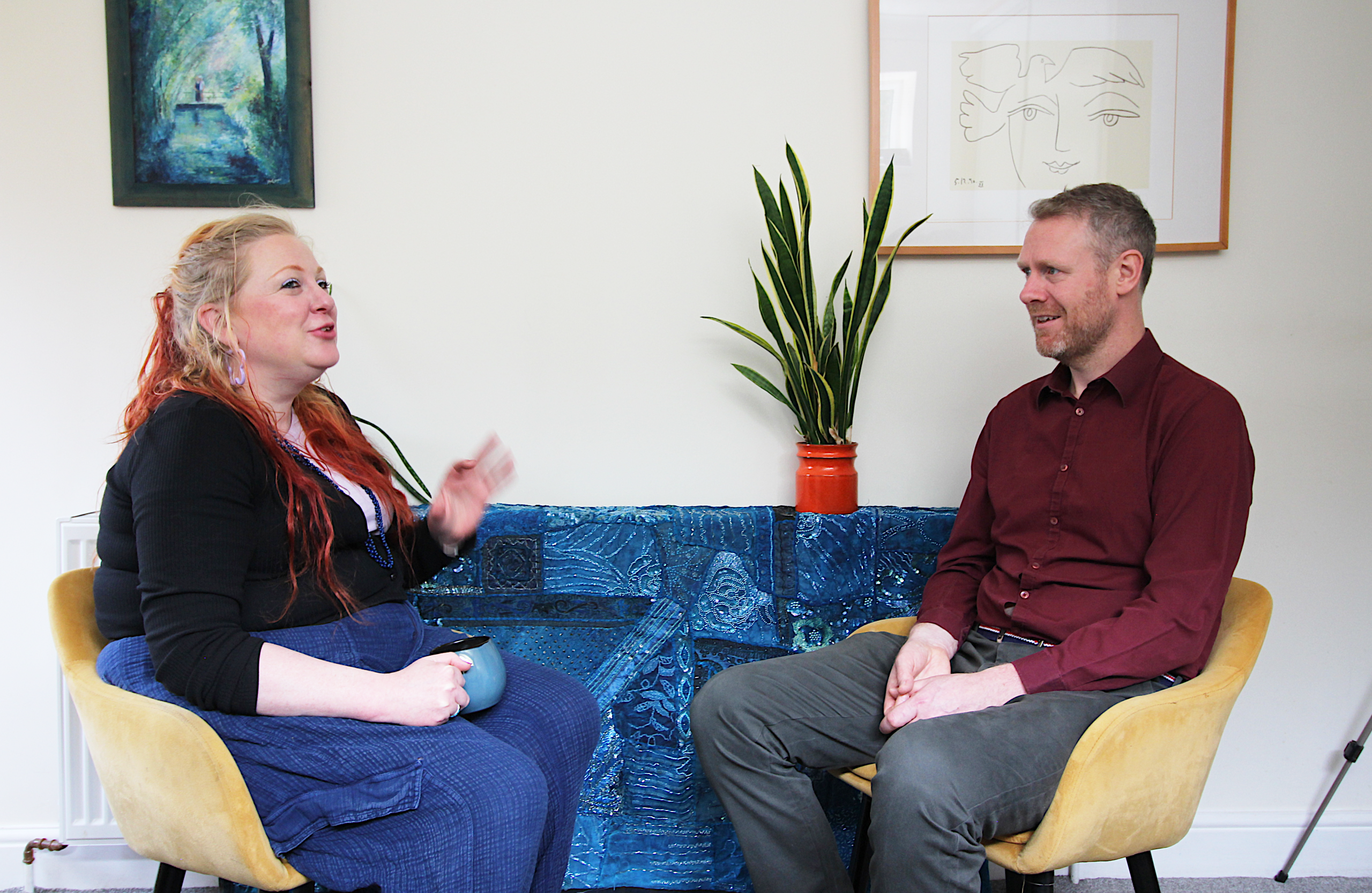
Self-help strategies can assist with mild to moderate distress, but they are no substitute for deeper engagement with a trained professional. If what you are experiencing is disrupting your experience of yourself and your life, especially in the following ways, then talking therapy may be beneficial:
- Symptoms persist despite consistent practice of exercises
- Patterns of worry interfere with work, relationships, or daily functioning
- You experience repeated panic or avoidance behaviours
- You notice existential distress, such as shifting identity due to fear of illness
How Online Integrative Therapy for Health Anxiety Can Help
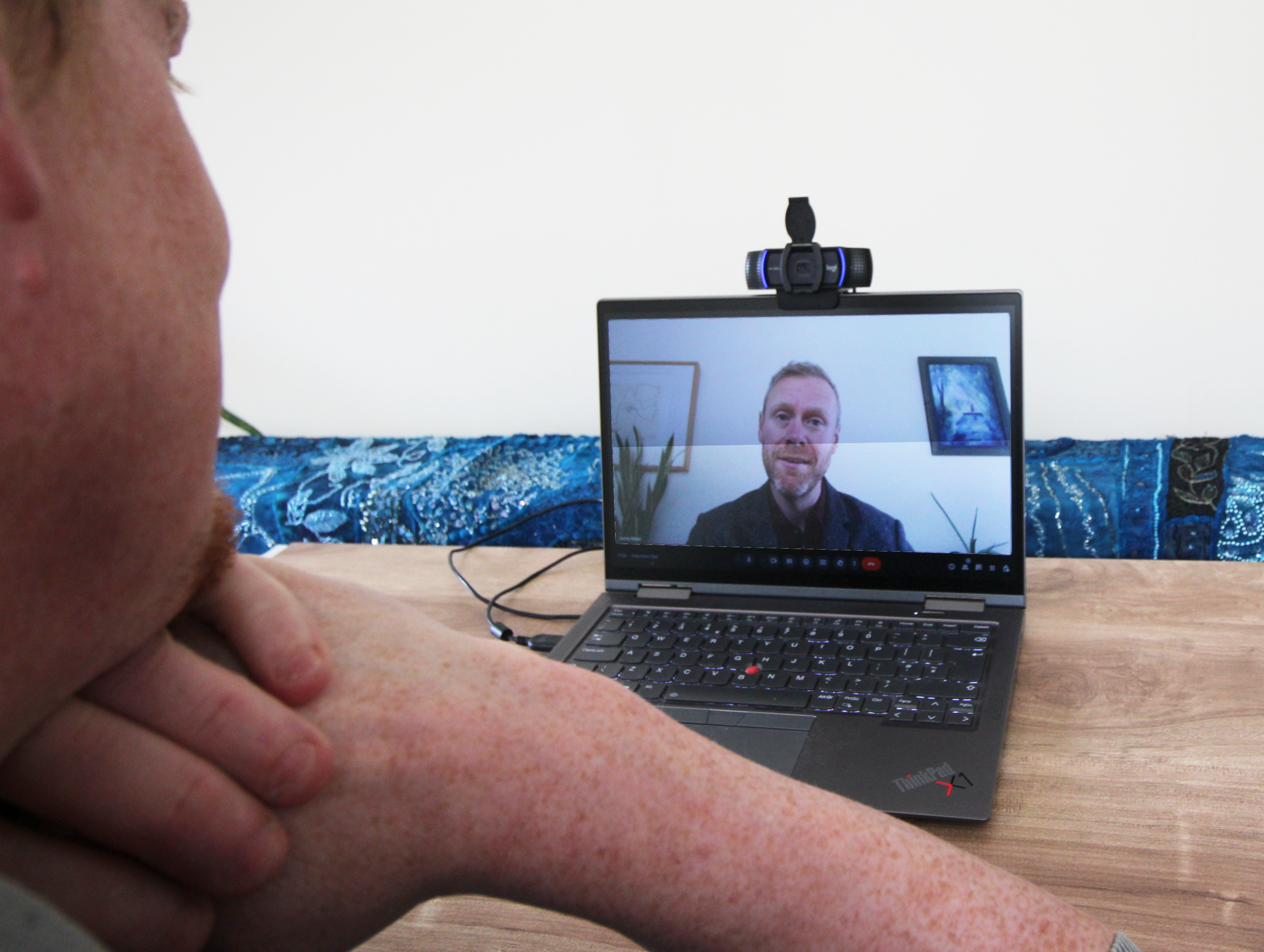
Integrative therapy combines evidence-based approaches (e.g. hypnotherapy, exposure therapy, person-centred therapy and existential therapy) to tailor treatment to your uniqueness of experience and personality. Online delivery increases accessibility and continuity for people across the UK and the world.
Key features of an integrative approach:
- Exploring underlying beliefs and emotional meanings attached to health worries
- Collaborative formulation, linking symptoms with life context
- Techniques rooted in non-reactive exposure, mindful processing of emotion and emergent meaning formulation
- Flexible online sessions that fit around life commitments